

The Wish Machine
it is real—approach it with caution

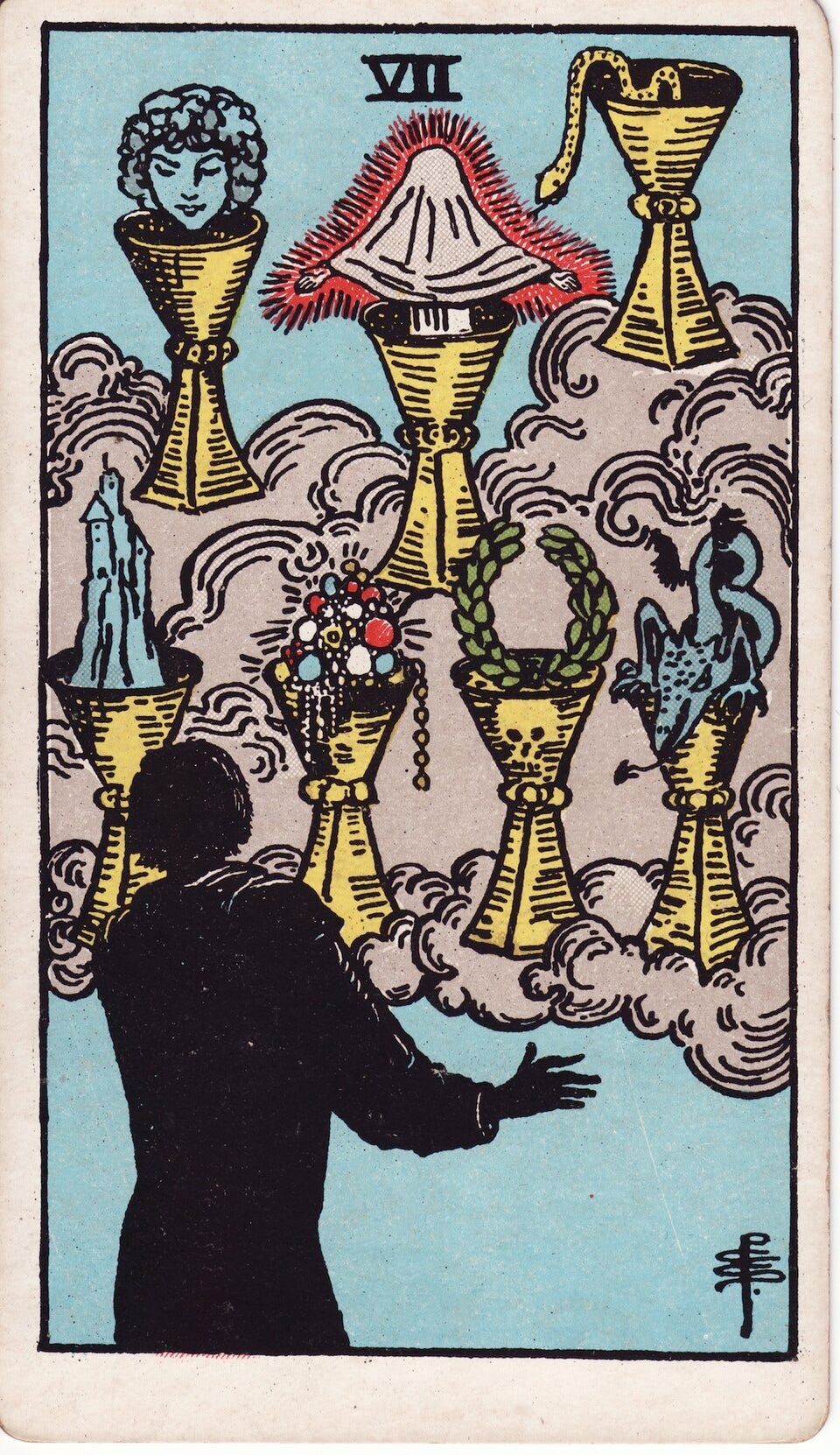
Is there such a thing as a wrong wish? A wish that causes suffering and sorrow rather than deliverance? A wish that will, in the long run, deplete and degrade rather than fulfill?
These are difficult subjects because they prompt conditioned prejudices—a rush to say yes—and a tendency toward recited and sometimes untested conviction.
And there is an added dimension of relational complexity. Is my wish another’s ruin? Is my joy another’s despair?
I do not necessarily see those prospects as polarized or symmetrical imperatives; but there exists possibility that for every “win” coexists a reciprocal “loss.” Or possibly a sacrifice. Maybe, in some cases, a willing one.
Even a wish for understanding or truth—if sincere—can remove you from the company of people who desire your closeness, but may harbor indifference or perplexity toward your search.
Hence, can there exist a non-violative wish?
These questions should deeply concern you. Because your wish may very well come true.
I warrant the existence of a “wish machine.”
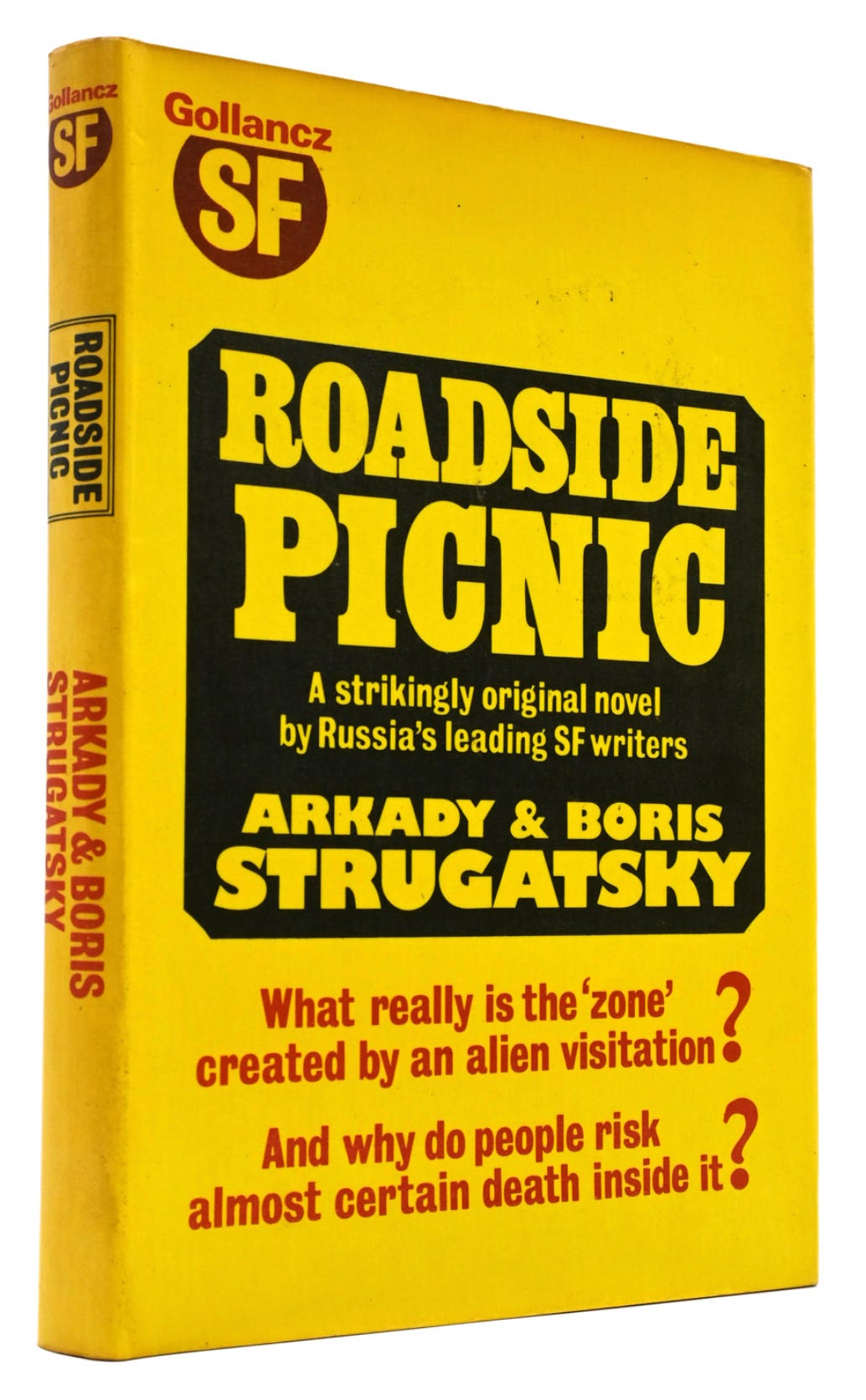
That term appears in the 1972 Soviet-era science-fiction novel Roadside Picnic by brothers Arkady and Boris Strugatsky. Their work formed the basis for the endlessly haunting 1979 movie Stalker directed by Andrei Tarkovsky.
The pressures of living in a censorious, officially atheistic society drove these Russian artists—both the novel and movie are extraordinary—to reach some of our era’s finest insights on metaphysical causes and effects, cloaked in sci-fi allegory.
In one of the grand ironies of the modern age, art pursued under Soviet conditions evinced perhaps the deepest revelations about American-style metaphysics.
As a side lesson: do not fear pressure—under which these creators sometimes staggered. Its burdens, if not overwhelming or fled from, engender refinements of thought, insight, and output. Fear ease.
