

Generation Witch
how post-war seekers took witchcraft from outlaw fringe to near-mainstream
A small change in Western law produced a seismic shift in modern spirituality.
Until the mid-twentieth century, it remained illegal for Britons to publicly practice witchcraft, which modern authorities framed as a con.
In 1951, however, England repealed its last prohibition against children of the moon: the Witchcraft Act of 1735, dating in its earliest form to the mid-sixteenth century.
The act was finally lifted due to lobbying by English Spiritualists who, although organized into ecclesiastic churches for their seances and mediumship, were sometimes harassed under its strictures.
The legal change resulted—with unexpected and pent-up force—in reconstruction of nature-based traditions and emergence—or, as some saw it, reemergence—of one of our age’s fastest-growing new religious movements: witchcraft.
Prophets herald new belief movements. Modern witchery’s foreseer arrived in writer-folklorist Gerald Gardner (1884–1964). Liberated from fear of legal reprisal, the energetic seeker reinvented and reinvigorated witchcraft, first in England and soon globally.
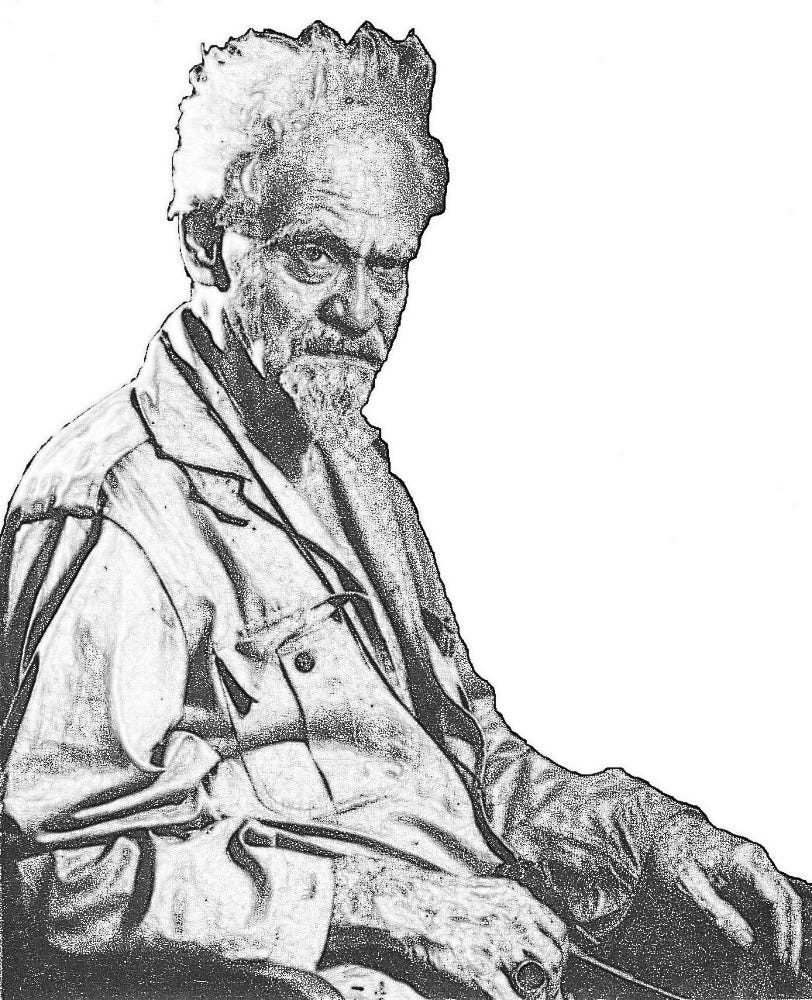
An affluent customs agent, the Victorian-born Gardner spent most of his life in Borneo, British Malaya, Singapore, and other trading posts of the Empire. The as-yet-unanointed father of revived witchcraft retired to the southern English coast in the late 1930s. He planned to spend retirement deepening his study of folklore and tribal rites he encountered in the Far East. And on that he may have settled.
But Gardner grew fascinated with the work of British Egyptologist Margaret A. Murray (1863–1963), who postulated survival of an ancient “witch cult” in England and Western Europe in her influential yet controversial 1921 study The Witch-Cult in Western Europe. Following renewed interest in the debated work, Oxford University Press reissued it in 1962.
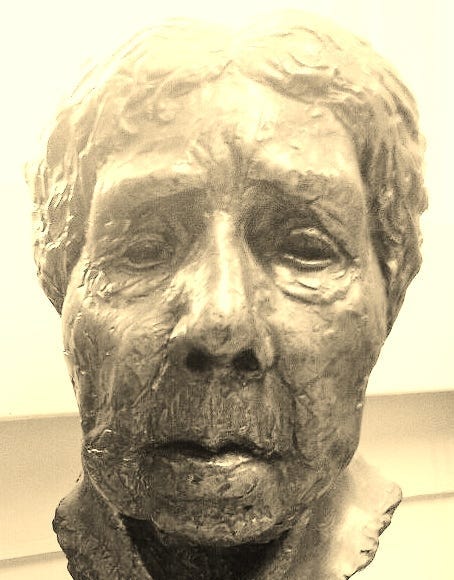
American folklorist Charles G. Leland (1824–1903) endorsed a similar idea to Murray’s at the turn of the century, describing enduring nature cults as la vecchia religione or “the old religion” in his 1899 work on Italian folk traditions, Aradia, or the Gospel of the Witches.
In Leland’s retelling of myth, Aradia, the daughter of Diana and Lucifer—“the god of the Sun and of the Moon . . . who was so proud of his beauty, and who for his pride was driven from Paradise”—is a kind of Gnostic deity dispatched to earth by her mother where “who fain would study witchcraft in thy school.”
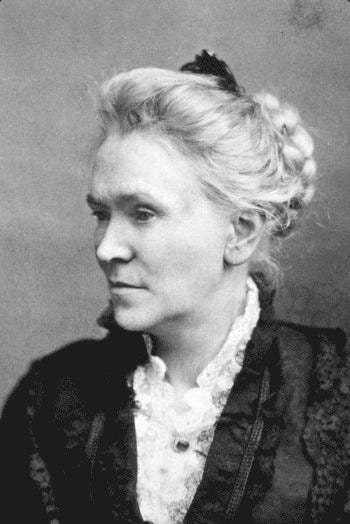
Also in the U.S., suffragist Matilda Gage (1826–1898) called attention to the mass killing of women during the Witch Craze, which she argued colored modern religious attitudes.
The numbers are difficult to track, but historical consensus holds that from 1450 to 1750, roughly 40,000 people, and possibly more, were killed, with tens of thousands more subjected to brutal and terrifying trials. The last witch trial recorded in the Western world occurred in Switzerland in 1782, which resulted in the torture and beheading of a rural housemaid, Anna Goldi. Consider that Switzerland was a relatively prosperous nation deep into the Age of Enlightenment. Acts of mob violence against accused witches—often women and children—continued sporadically throughout the world, flaring up in economically pressed regions in the twentieth and twenty-first centuries, as I have documented. [1]
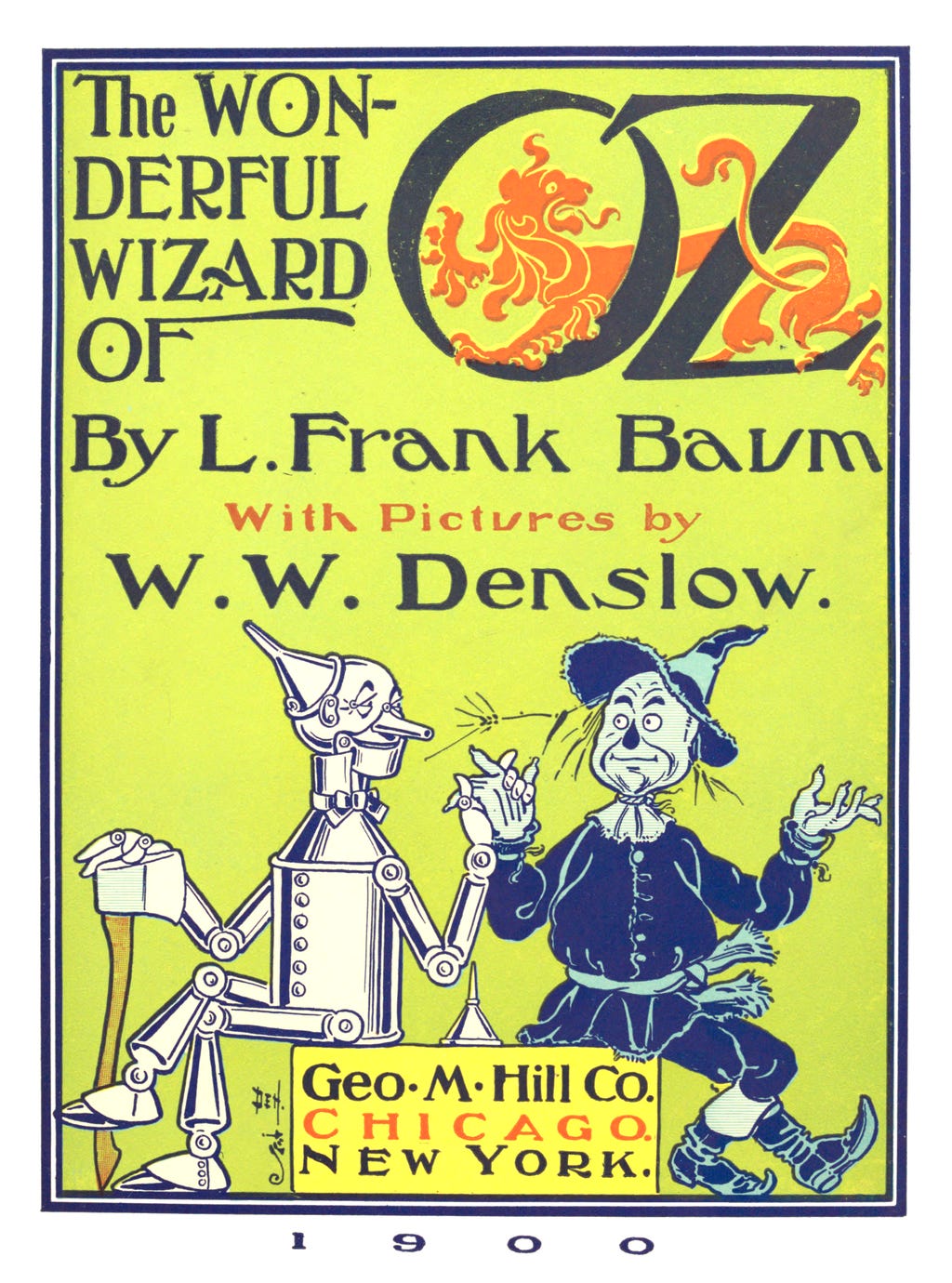
As it happens, Gage’s son-in-law was Theosophist and Wonderful Wizard of Oz author L. Frank Baum, whose 1900 classic introduced the world—furthered by the 1939 movie—to “good witches.” [2]
And here Theosophy, as it so often does, reenters the scene.
