

Anger
the challenge facing seekers

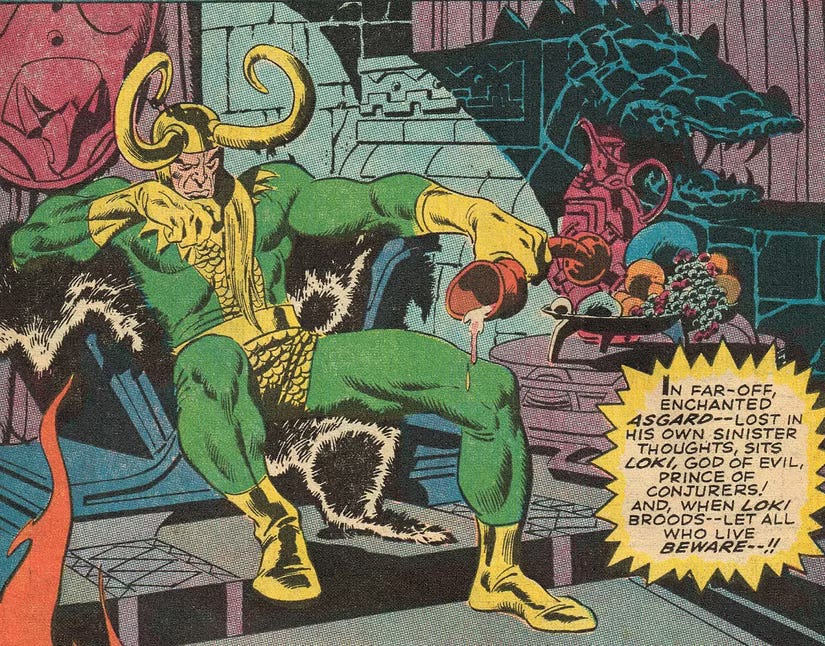
Our religious approaches to anger are narrowly understood—and, hence, narrowly useful. We lack perspective on this vexing, perennial issue.
The rabbinic tractate Pirkei Avot or Ethics of the Fathers (4:1), a classical compendium of ethical teachings, reads (in my adaptation):
Who is mighty? He who controls his passions. Who is greater than mighty? He who controls his anger. He who controls his anger is greater than he who takes a city.
This outlook more or less echoes Abrahamic, Vedic, and Confucian traditions, as they commonly and dominantly reach us.
It is not all there is. History records counter perspectives.
In the Vedic guide to civil conduct, Arthashastra (earliest form 4th century B.C.), the semi-legendary sage Bháradvája, who lived before recorded time, is attributed with a dissenting statement about the destructiveness of anger:
No, says Bháradvája, anger is the characteristic of a righteous man. It is the foundation of bravery; it puts an end to despicable (persons); and it keeps the people under fear. Anger is always a necessary quality for the prevention of sin. (1915 translation by R. Shamasastry)
We are left, then, not with a contradiction—but a tension.
David Lynch told me in a 2016 interview: “This thing of righteous anger is fine, you can be against something, really truly against something, and fight for something you believe in. You’ll have more energy to do that. You’ll have more power, more edge to really get in and get the thing the way you want it.” He said this in reference to Transcendental Meditation, a practice I share.

Do not rush heterodox ideas into hasty application. Do not embrace them without context. Even Bháradvája’s brief statement contains several folds. But I wish to note: the path is yours. It does not belong to decisions made by someone else.
This applies to anger as much as to any other question facing the seeker.
